

WILL PLANNING REFORMS HELP RURAL COMMUNITIES TO THRIVE?
Published 28 February 2026
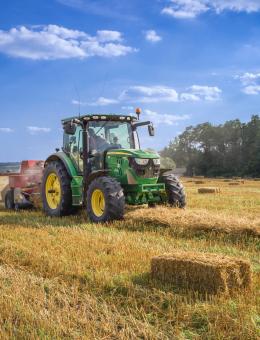
Proposed reforms to the planning system - currently under consultation - which could make it easier for farmers to secure approval for new agricultural buildings, have been described as the ‘most fundamental rewrite of planning policy in more than a decade’.
Unlike many recent government initiatives, this one has received a wide welcome in the rural community. The reforms make it clear that there should be a default presumption of support by local planning authorities for agricultural developments in rural areas, other than in exceptional circumstances.
Supporters of the move say it will reduce red tape, speed up applications, and boost investment in modern facilities – including those aimed at improving animal welfare standards.
Currently small agricultural business owners frequently find such proposals resisted by councils, something which has too often acted as a brake on both individual farm business investment and wider rural development. Simple applications such as a livestock shed should really not take five months to secure consent.
This isn’t the first time that a reduction in planning red tape has been promised, and in the past such proposals have often subsequently failed to be implemented. The whole planning system is bloated with paperwork not to mention many differing policies such as Nutrient Neutrality and Biodiversity Net Gain.
Consent then comes and more paperwork is required with Habitat Management Monitoring Plans and Unilateral Agreements, all of which result in added cost for applicants and ultimately delay in getting projects underway.
The government says that these reforms are intended to refine, rather than retreat from, such commitments, easing cost pressures on smaller agricultural projects without undermining its overall nature recovery goals. It remains to be seen if that is how it will all work out in practice.
Rural planning doesn’t exist in a vacuum: it interacts with policy on land use, conservation and farm incomes. At the same time, farmers are dealing with market pressures, shifting environmental regulation, and the broader issue on how best to balance food production and the environment.
If the government is serious about implementing these reforms they could yet reduce bureaucracy and give agriculture the breathing space it needs to grow business and develop. It is essential that planning policy properly reflects farming’s vital role in food security, environmental stewardship, and the prosperity of the wider rural economy.
The consultation runs until 26th March, giving everybody just a month to make their feelings known. If we want these eminently sensible proposals to be enacted, we all need to participate in the consultation exercise to make sure that government understands how vital these planning reforms really are.
Share this story


Arnolds Keys Blog

WHY ‘KERB APPEAL’ IS IMPORTANT IN THE LETTINGS MARKET
20 February 2026
In the world of residential sales, the term ‘kerb appeal’ is well understood: it is about making a home instantly appealing to prospective buyers by presenting it in the best... Read more >

FACING THE FUTURE WITH INCREASING CONFIDENCE
18 February 2026
Three months on from Rachel Reeves’ second Budget, and the appalling ‘market research’ before it which resulted in a confidence dent in many markets, a clearer picture is now emerging... Read more >

UPSIZE OR EXTEND? IT’S A COMPLEX ISSUE
13 February 2026
As the housing market cooled during 2025, a question I was increasingly asked, mainly by growing families who needed more space in their homes, was: would they be better off... Read more >
THE IMPORTANCE OF KNOWING YOUR VALUE
24 January 2026
Last month’s announcement that the Agricultural Property Relief (APR) and Business Property Relief (BPR) cap would be increased from £1 million to £2.5 million, coupled with the Budget announcement to... Read more >