Time for some R, R & R… Resilience, Rotation & Reservoirs
SHARE OUR STORY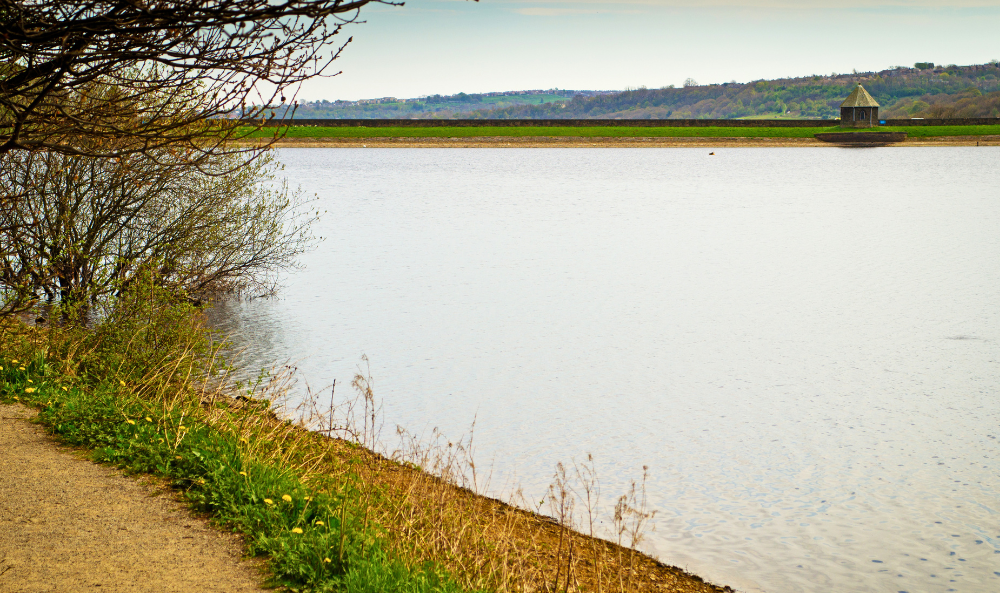
As drought conditions reshape UK agriculture, Tom Corfield explores why greater support for on-farm reservoirs is vital for long-term farm resilience.
As the rain pours outside, I recall the article I wrote in November 2025 about the high probability of drought conditions in 2026.
Our industry has now endured the driest season in recent memory and, while it is tempting to assume such conditions will not be repeated, we must recognise the reality that our climate is changing.
The word “resilience” is everywhere at present, prompting all farms to assess every aspect of their business and that assessment should include how crops can continue to be grown in a drier climate and if the future rotation needs to change.
For some businesses, on-farm reservoirs will provide an opportunity to help meet future water demand and further details have recently been released on the £15 million, Water Management Grant for reservoirs, first announced in August.
It is alleged that DEFRA has previously stated that “reservoir construction is desperately needed”, yet the grant scheme has been delayed by several months with additional information released by the DEFRA Secretary on Thursday 19th, with the expectation that the scheme will open in late November.
While any grant support is welcome, it does little to reduce the red tape and bureaucracy faced by applicants. Farms must still navigate the planning process and, in many cases, secure an abstraction licence, both of which involve significant upfront costs.
However, that is only part of the challenge. Affordability remains a major concern, with interest rates doing little to ease the pressure. The grant is expected to cover only part of the construction costs, potentially up to 40% (based on previous funding rounds), but does not extend to wider infrastructure investment such as irrigation mains.
Meeting the remaining 60% of the cost is a significant undertaking and when you consider that a reservoir may be depreciated over 30 years, but an abstraction licence is granted for only 6, it does little to inspire confidence to progress these projects which would bring long term resilience. The lack of joined up thinking between DEFRA and the Environment Agency, which oversees abstraction licences, combined with planning hurdles, is not helping matters.
DEFRA has suggested the fund could support around 100 farms, but my calculations suggest the reality will be far less. If the maximum grant is £500,000, yet the average award was, for argument’s sake, £350,000, the fund would support approximately 43 projects. The budget is insufficient.
We support the comments made by the CLA President, who has urged the Government to commit to long term support for on farm water storage but this must also include simplification to the planning process and addressing issues with abstraction licences if meaningful progress is to be made.
Tom Corfield is agricultural partner at Arnolds Keys – Irelands Agricultural.