Fly-Tipping in Norfolk: Why Farmers Shouldn’t Bear the Cost of Other People’s Waste
SHARE OUR STORY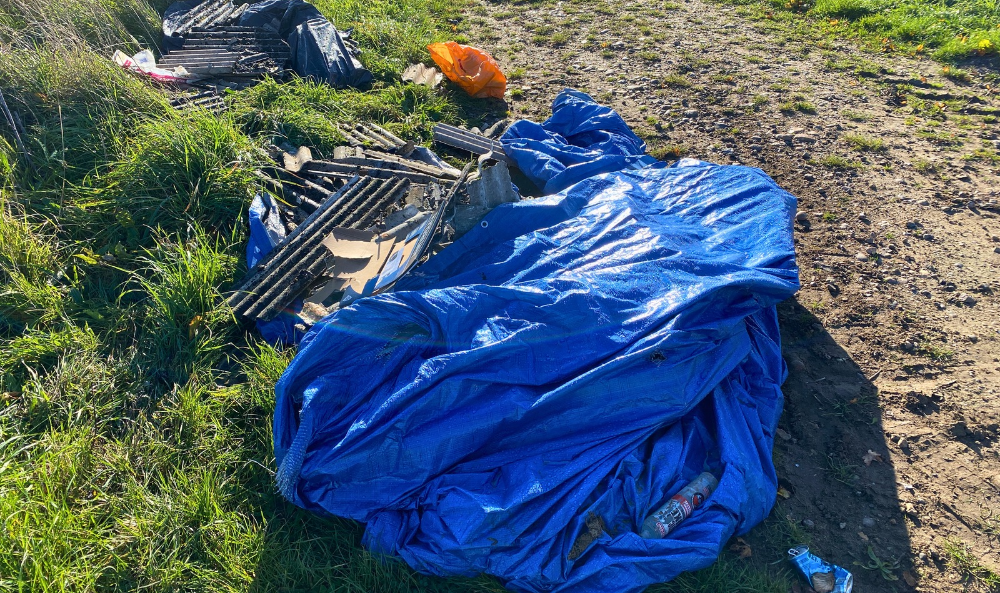
Fly-tipping remains a growing problem across Norfolk comments Agricultural Partner Tom Corfield, leaving farmers and landowners facing unfair clean-up costs and increasing environmental concerns.
Not one, but two incidents of fly-tipping have occurred within a short distance of where I live in recent months. The first took place over the August bank holiday weekend, while the second happened only a week ago. More recently, while driving from Marsham to Aylsham, I came across yet another pile of illegally dumped waste.
Naturally, the incidents have been reported through the council’s website and followed up with a telephone call. However, as is often the case, it may be some time before the waste is removed.
What many people don’t realise is that when fly-tipping occurs on private land, the responsibility for clearing it remains with the landowner, even if the waste includes hazardous materials such as asbestos.
Earlier this year, there was hope that this would change, with proposals put forward that would have required local authorities to remove waste from both public and private land and recover the costs from offenders.
However, the Government voted against the proposals, arguing that placing this duty on councils would create significant additional costs.
For the farming community, this remains a particularly unfair situation. The cost of removing and safely disposing of illegally dumped waste can easily run into thousands of pounds, leaving landowners to pay for a problem they did not create.
The issue is very real, and in an increasingly connected world, it has become easier than ever for offenders to share precise locations via mobile devices and access remote areas with little difficulty.
In March, the Waste Crime Action Plan introduced proposals for tougher penalties, including driving licence points for those caught fly-tipping. While any effort to tackle the issue is welcome, questions remain over whether such measures will be enough to act as a meaningful deterrent.
More recently, proposals have emerged for the Corporate Waste Crime Responsibility Bill, which seeks to hold larger businesses accountable when waste originating from their operations is found to have been illegally dumped.
Only this week, the Eastern Daily Press reported on two men who were fined for dumping waste in Ormesby. It was encouraging to read that Great Yarmouth Borough Council remains committed to identifying and prosecuting offenders, although locating those responsible can often be challenging.
For landowners and rural communities, vigilance remains crucial. Motion-activated cameras may help deter offenders or provide evidence, although they come with an additional cost. Above all, any incidents should be reported promptly to both the local authority and the NFU.
Fly-tipping is not a victimless crime. It damages the countryside, creates environmental risks and places an unfair financial burden on those who work hard to care for the land.
Our farmers should not be expected to spend their time and money clearing up someone else’s rubbish.