Family farms are part of our national heritage – Whitehall must recognise that
SHARE OUR STORY
Family farms are the backbone of rural Britain, balancing generations of heritage with the commercial resilience needed to navigate an increasingly uncertain future.
When a Suffolk MP described the image of warm ale and a black Labrador at your feet in a pub as a “far-right nostalgic vision of Britain”, she struck a nerve across rural communities. Speaking at a Labour conference fringe event, she argued that this vision of the countryside had never really existed.
For many people who live and work in rural Britain, it was a revealing illustration of just how disconnected Westminster can be from the countryside it seeks to shape.
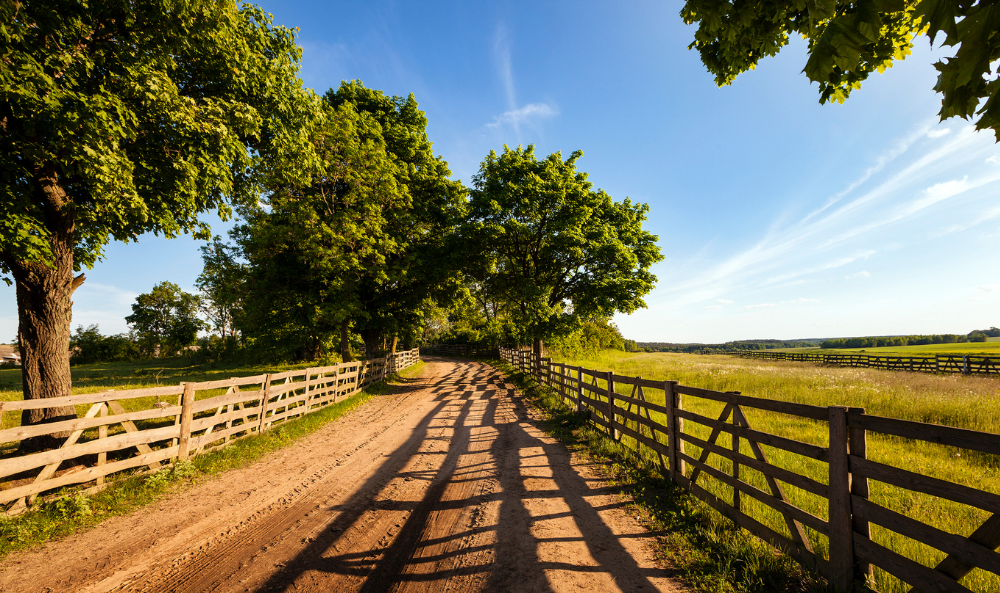
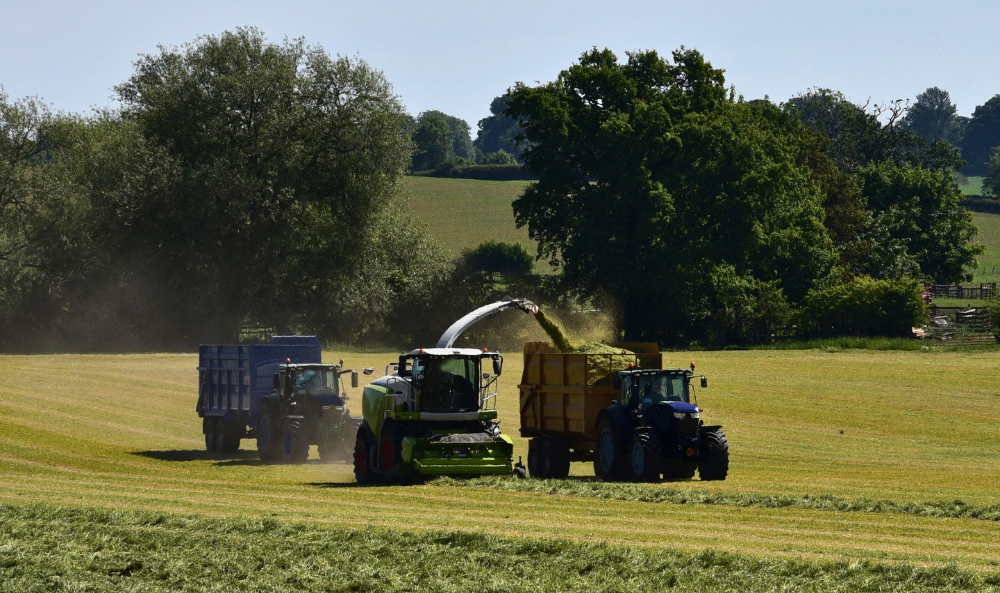
Rural Britain is not a postcard. Our farms are modern businesses, adapting constantly to economic pressures, technological advances and changing environmental demands. But the traditions, communities and family businesses that have shaped our countryside for generations are not political fantasies. They are a living heritage, and family farms are at their heart.
In East Anglia, farming has defined our landscape, sustained our villages and underpinned local economies for centuries. Yet too often, Whitehall appears to view farms primarily as assets to tax, businesses to regulate or land on which to deliver environmental targets, rather than as custodians of our national inheritance.
Changes to agricultural property relief and business property relief illustrate the challenges. Despite the revised £2.5 million threshold for 100% relief from April 2026, qualifying assets above it receive only 50% relief. For farms with valuable land but limited cash income, passing the business to the next generation can mean difficult financial decisions. Land is not money sitting in a bank account; it is the means by which families produce our food and sustain their livelihoods.
Then came SFI26. After the disruption caused by the closure of the Sustainable Farming Incentive in 2025, farmers faced renewed uncertainty when the September 2026 application window closed within hours after funding was exhausted. How can businesses plan long-term investment when funding and eligibility can change so quickly?
These are not merely administrative shortcomings. Together, they reveal a failure to appreciate the realities of family farming: tight margins, unpredictable weather, long-term investment and decisions measured in generations rather than political cycles.
Of course, farming must evolve and it is increasingly clear that farmers cannot rely on government support. Whilst we call for the Government to provide a fair and predictable policy framework, greater resilience also starts within the business itself.
This winter is the time for farmers to take stock, seek advice and plan ahead. Reviewing costs, cash flow, business structures, succession plans and investment opportunities can reveal ways to improve profitability and make better use of existing assets.
Ask whether your assets are working as hard as they could, whether your business is structured for the future and what steps could strengthen its long-term prospects. Diversification or unlocking the potential of underutilised land and property may also create valuable new income streams.
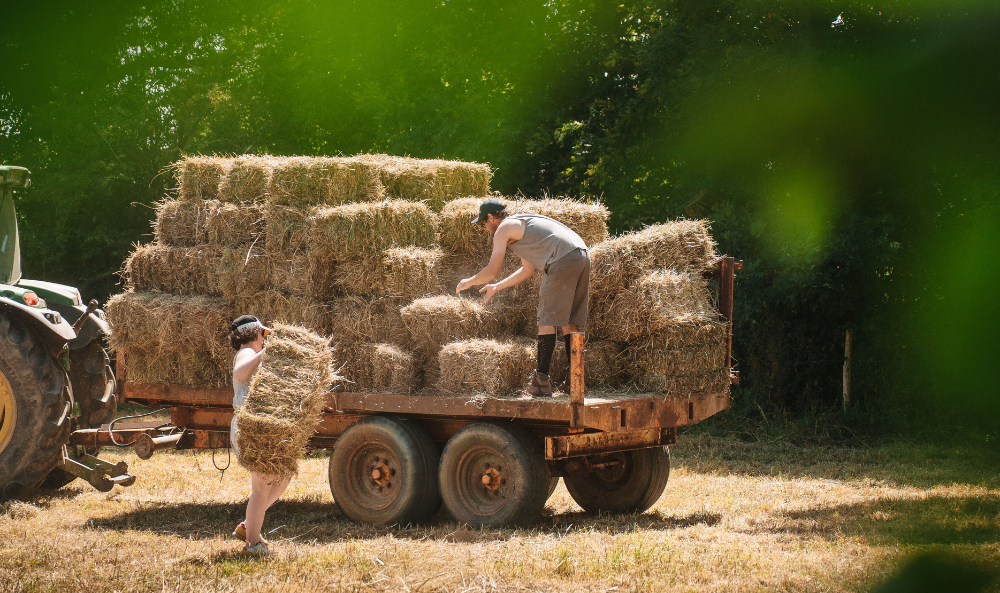
Family farms are not museum pieces or nostalgic props. They are working businesses, food producers, employers and custodians of landscapes, traditions and communities that cannot simply be recreated once lost.
Whitehall must recognise that heritage is not an obstacle to progress. But farmers must also take control of the opportunities available to them. Use this winter to plan for a future built on commercial resilience. The future of family farming is too important to leave to chance.
Simon Evans is agricultural consultant at Arnolds Keys – Irelands Agricultural.