Why Only Premium Office Space Is in Demand as the Return to Office Accelerates
SHARE OUR STORY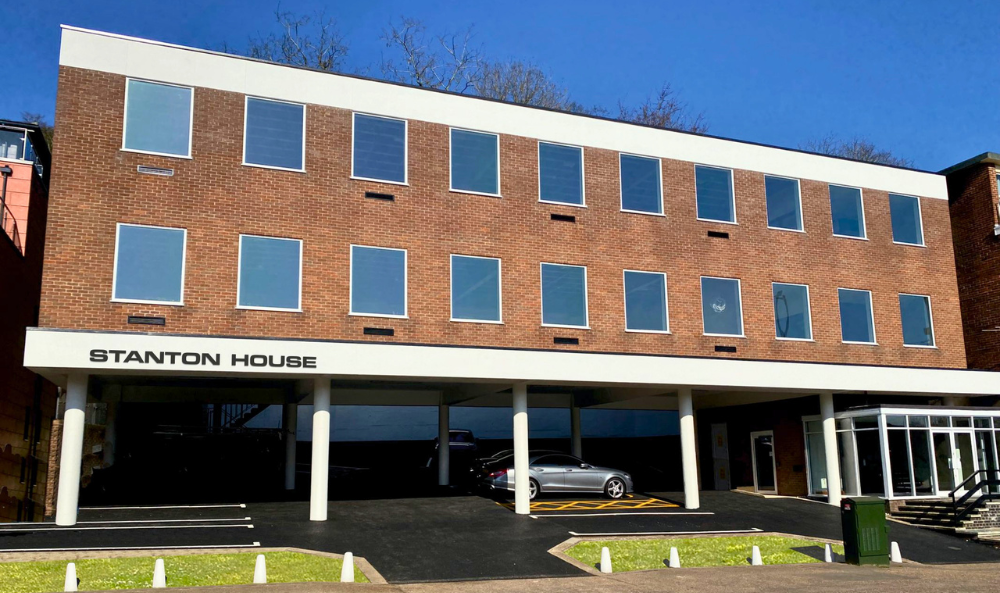
As businesses embrace hybrid working, demand is rising sharply for high-quality office space that attracts staff and reflects brand values.
When Covid led to an explosion in working from home, many commentators predicted that it would result in the death of the office. But as Mark Twain might have said, such reports were premature.
In fact, we have seen a robust return to office trend over the past two or three years, albeit perhaps not a full return to the five days a week pattern which was the norm before the pandemic. Hybrid working, with at least three days a week spent in the office environment, is now typical.
Persuading employees who had got used to working in their own space at home to give all that up and come back to the office has not been straightforward. Some employers have wielded the big stick, but the most effective strategy has been to ensure that the office environment is as attractive as possible so that staff actually want to be there.
The result has been an increase in demand for high quality office spaces, and a simultaneous drop in demand for secondary office buildings.
Alongside the staff aspect is another, increasingly important factor: what your office building says about you as an organisation. This isn’t just the obvious things such as a prestigious location or highly presentable, modern premises; environmental, social and governance (ESG) issues such as whether the office building is energy-efficient are equally vital.
For commercial property investors wanting strong demand from occupiers and healthy rent levels, that means ensuring office buildings are truly Grade A. This involves a plethora of factors, from exterior and interior aesthetics; facilities such as high quality air conditioning, LED lighting and hi-tech cabling; car and bike parking; a good location; and in the case of multi-occupier buildings, what other amenities are provided, such as staff showers, a smart reception or perhaps an on-site coffee shop.
For those with office buildings that don’t currently measure up, there are essentially two choices: refurbish or repurpose.
It is perfectly possible to transform lower-quality office buildings, but it takes long-term thinking, a forward vision, and a willingness to invest. A good example of this is Stanton House on Yarmouth Road in Norwich, where an old and tired office building has been transformed into a really attractive space thanks to a forward-looking investor.
Otherwise, the best option for sub-optimal office buildings could well be to repurpose them, into residential accommodation, for example.
So the office sector is far from dead, but it has gradually transformed itself into a premium market – and buildings which don’t match up will increasingly find it hard to find a tenant.
Harry Downing MRICS is an associate in the commercial property team at Arnolds Keys.