A surprisingly robust year in the Commercial Property Market
SHARE OUR STORY
I’m not sure many people were optimistic about the economy as they sang ‘Auld Lang Syne’ at the start of 2025, but as we approach the end of the year, was that pessimism justified?
That’s a big question which would take more than 400 words to answer, so permit me to focus on how the commercial property market has fared over the last 12 months.
The broad answer is: surprisingly robustly, given the uncertainty and distinct lack of confidence in the wider economy. As the performance of commercial property is as good an indicator as any of the health of that wider economy, perhaps we should be looking at 2026 with a bit more optimism.
Retail of course, has had its well-documented travails, caused by the combination of a continuing cost-of-living crisis and our ever-growing addiction to online shopping. Despite this, the High Street has not had too bad a year.
The level of voids is refreshingly low – especially in Norwich city centre – and noises from the Chancellor about levelling the business rates playing field between bricks-and-mortar and online retailers are welcome. Norfolk’s market towns, especially Aylsham, Cromer and Sheringham have fared equally well.
The retail market is not without its issues. In the city, the elephant in the room is the still-empty Debenhams building, seemingly no nearer being redeveloped than 12 months ago. But hopefully the end of the uncertainty brought about by the pre-Budget period will encourage retailers to make decisions about taking space.
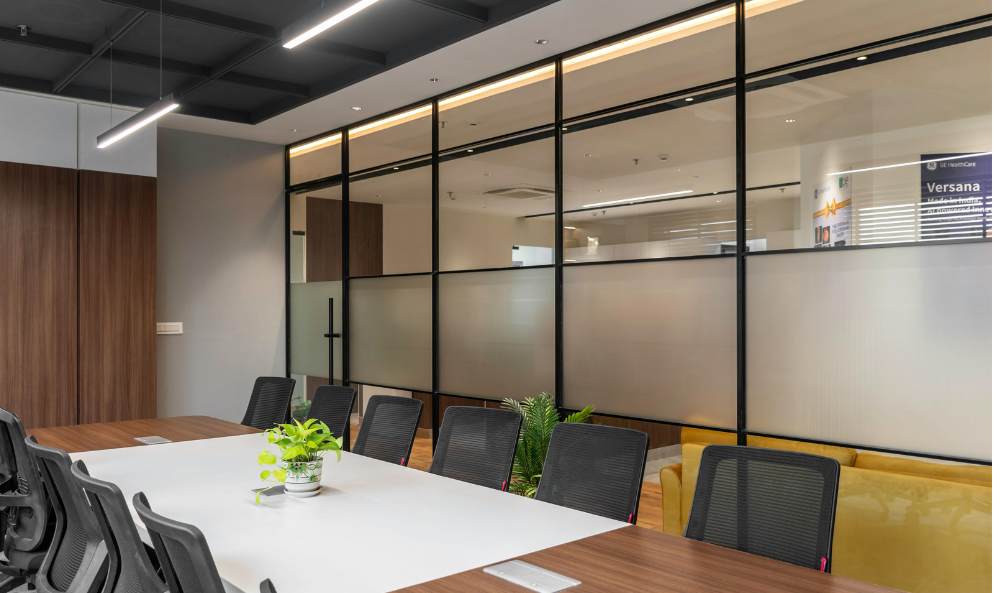
In the office sphere, 2025 was a year when the pendulum swung decisively back towards ‘return to office’, with businesses realising they need a centralised hub for staff to integrate and collaborate. Making this an attractive proposition for staff means that top-quality office spaces are in demand.
The buoyant demand for freeholds in this sector is an indication of healthy demand from occupiers – Grade A offices which come onto the market are generally snapped up quickly. That Budget hiccup did stall investment in new space, but that was a temporary blip. The momentum here is positive.
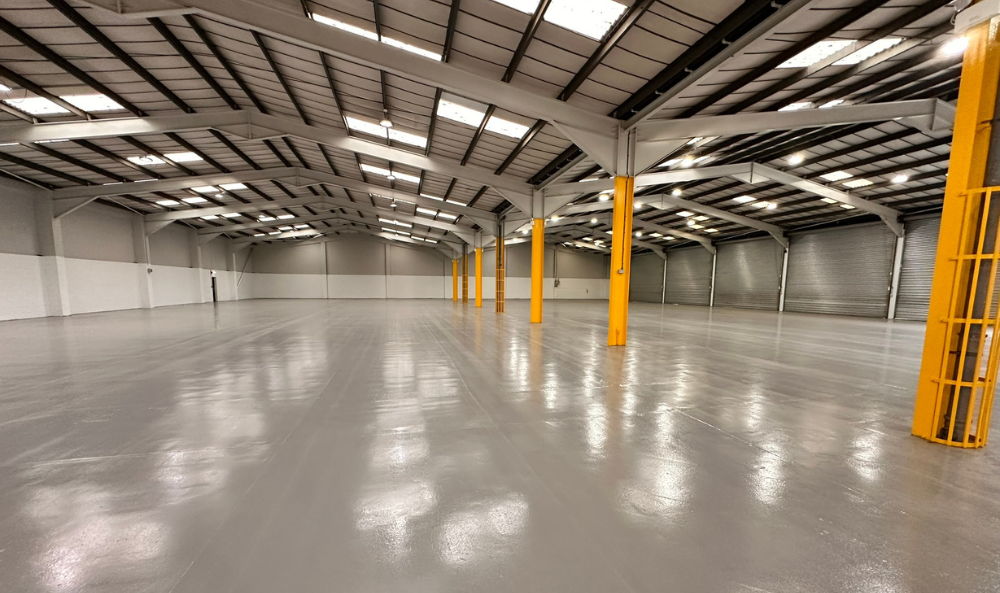
The industrial and warehousing sector has remained strong and steady throughout 2025, with some big deals done. Rattled by Brexit and global geo-political instability, manufacturers are seeking increased robustness in their supply chains, which means keeping them close.
There are plenty of growth areas here: the A11 corridor, developments around the Broadland Northway including the Broadway Enterprise Park, and the hi-tech hub at Hethel have all seen extensive investment during 2025.
So what are the prospects for 2026? My colleague Guy Gowing will get out his crystal ball for his next column in January.
Harry Downing MRICS is a land and development commercial surveyor at Arnolds Keys.