Commercial Property still has plenty to offer investors
SHARE OUR STORY
A resilient commercial property market, improving investor confidence and sector-specific opportunities continue to make commercial real estate an attractive long-term investment.
Say “invest in property” and most people picture a buy-to-let terrace on a quiet residential street. That’s understandable, but it’s only part of the story. Commercial property, encompassing offices, warehouses and retail premises, remains the larger sector of UK property investment and continues to offer attractive opportunities for investors willing to understand the market.
Despite ongoing geopolitical tensions in the Middle East driving higher energy prices and fuelling inflationary pressures, the global economy has remained surprisingly resilient. The IMF is forecasting global growth of 3.1% in 2026, rising to 3.4% in 2027. Closer to home, UK economic activity continues to expand, supported by growth in the services and manufacturing sectors, although construction activity remains subdued and higher energy and input costs continue to affect business confidence and long-term investment decisions.
Inflation remains a key concern, with rising fuel costs contributing to an increase in CPI and prompting a modest rise in the Bank of England base rate. While this may dampen confidence in the short term, expectations for economic growth later in 2026 have improved, providing a cautious degree of optimism for property markets.
The UK also remains a major destination for investment capital. After a sluggish first half of the year, £13.9 billion of commercial property was transacted during the third quarter of 2026 alone, reflecting continued confidence in the sector.
Commercial property investment can broadly be divided into three key sectors: industrial and warehousing, offices, and retail, each with its own market dynamics and opportunities.
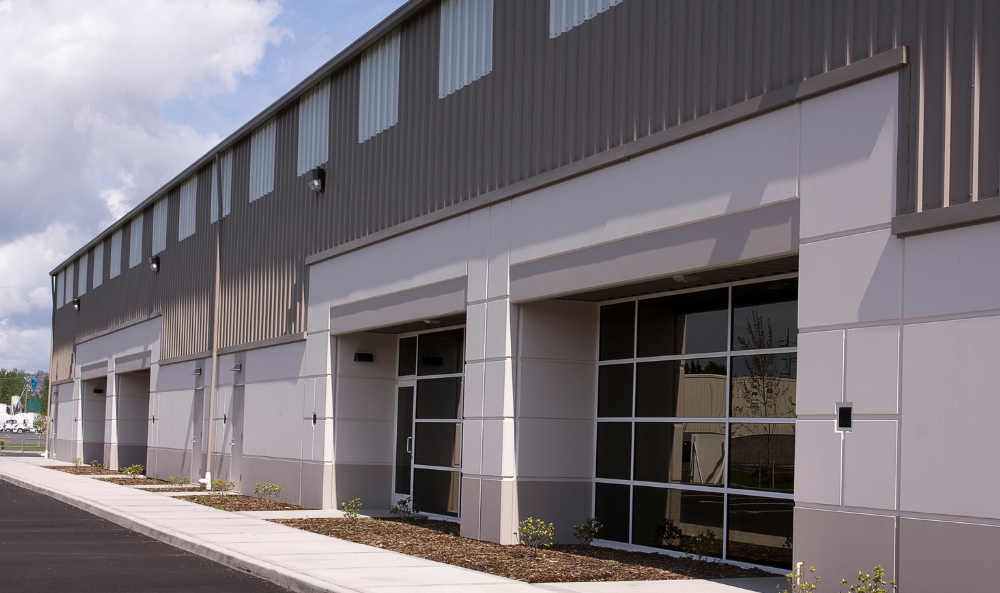
Industrial and warehousing property has been the standout performer of the past decade, benefiting from continued growth in e-commerce, changing distribution requirements and increasing demand for logistics space. While the pace of growth has moderated slightly, the sector’s strong underlying fundamentals remain firmly in place.
The market continues to be shaped by technological, political and economic influences, while warehouse and haulage operators face ongoing labour shortages and rising employment costs. Encouragingly, the latest RICS Commercial Property Survey points to improving occupier demand and increasing confidence levels throughout the year.
Although vacancy rates have started to rise from historic lows, they appear to be stabilising nationally. Limited speculative development, coupled with continued competition for high-quality accommodation, is helping to sustain rental growth. Demand is particularly strong for modern, energy-efficient buildings, where high operational costs continue to support upward pressure on rents.
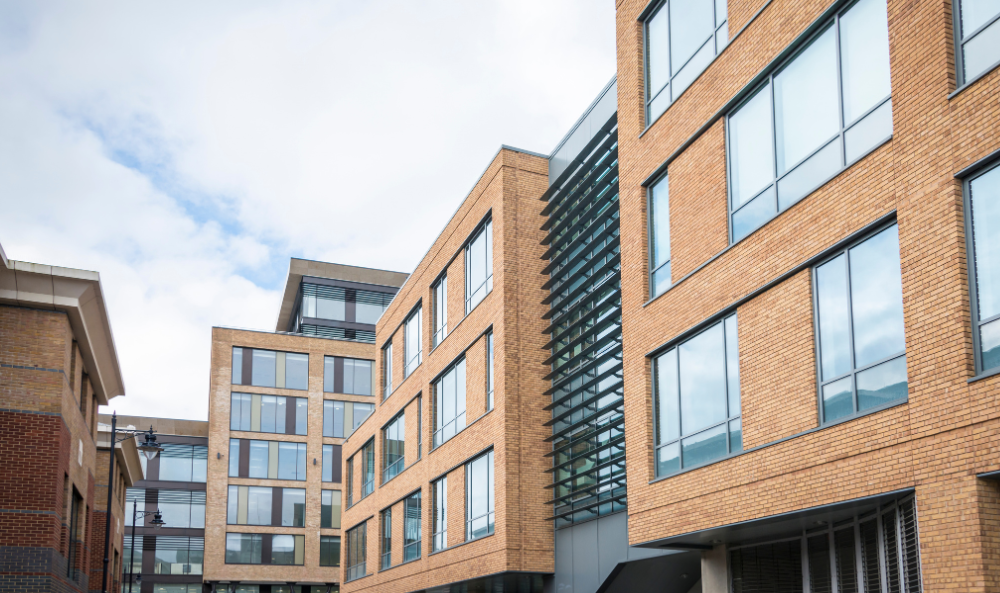
The office market is increasingly becoming a story of two distinct sectors. Prime, well-located and sustainable office buildings continue to attract growing occupier demand and rental growth, while secondary stock faces much greater challenges. Landlords who postpone investment and refurbishment programmes may find themselves at a growing disadvantage.
The gradual return to office working has continued throughout the private sector, with more organisations adopting formal return-to-office policies. As employers compete to attract and retain talent, the quality of office space remains an increasingly important factor.
Occupier demand is also becoming more focused on sustainability, with energy efficiency now central to both building design and operation. In Norwich, the office market continues to face a shortage of prime accommodation, partly due to limited new development. However, investment into existing stock is helping bridge the gap, with schemes such as No.1 Prince of Wales Road and Prospect House demonstrating how modernisation can revitalise older buildings.
Serviced office accommodation also remains popular, offering flexibility for businesses unwilling to commit to long-term leases. While wider occupier demand remains relatively subdued according to the latest RICS survey, prime rental levels remain robust due to the imbalance between supply and demand for high-quality space.
Retail has been written off more times than most people care to remember. Changing consumer habits and the growth of online shopping undoubtedly reshaped the sector and led to declining capital values in many locations. However, reports during 2026 suggest the market is beginning to recover, particularly in prime high street locations and well-positioned retail parks.
There are certainly challenges. Consumer confidence fell sharply in October according to the latest GFK Consumer Confidence Index, representing the largest monthly decline outside of the pandemic period since the Brexit vote in 2016. Retail sales volumes also declined during September.
Nevertheless, the occupational market has shown signs of improvement. Average rents for standard high street shops have strengthened over the last two years, while rental growth from rebased investments has reached some of its highest levels in recent years. In fact, retail is now emerging as one of the strongest-performing sectors from an investment perspective, helped by low vacancy rates and reliable income streams.
So, is there still value in commercial property investment? Absolutely.
Investment volumes remain healthy, with more than £10 billion invested in UK commercial property during each quarter of the last year. Whilst London continues to attract the largest share of investment, strong regional centres are also benefiting from increased activity.
Property yields have remained broadly stable, averaging around 7% over the past two years, although elevated bond yields and ongoing inflation concerns continue to influence investor sentiment and pricing. The market is certainly more disciplined than it was previously. Transactions are taking longer to complete, buyers are undertaking more detailed due diligence and investors increasingly expect appropriate risk-adjusted returns before committing capital.
Prime assets continue to attract the strongest demand across all sectors. Secondary properties, particularly where significant capital expenditure is required, often require higher yields to reflect the additional risk involved. Industrial assets remain attractive where rental growth opportunities exist, and retail warehousing and stronger shopping centres continue to benefit from improving occupational fundamentals. The office market, meanwhile, remains firmly split between prime and secondary accommodation.
Commercial property investment rewards those who understand market trends, legislative requirements and the importance of professional advice. From lease structures and business rates to energy efficiency regulations, successful investing requires more than simply buying a building. Long-term returns are often driven by strong relationships, sound judgement and a clear understanding of risk.
Property may be about bricks and mortar, but successful investment has always been about people, relationships and informed decision-making.
Guy Gowing is a Commercial Consultant at Arnolds Keys.